Two speeds of thinking
Psychologists Keith Stanovich and Richard West coined the labels System 1 and System 2, and Daniel Kahneman made them famous in his 2011 book Thinking, Fast and Slow. System 1 is quick, automatic and effortless: it reads faces, finishes familiar phrases and spits out "10 cents" for the bat-and-ball puzzle. System 2 is slow and deliberate: it does long division, checks arguments and notices that 10 cents can't be right.
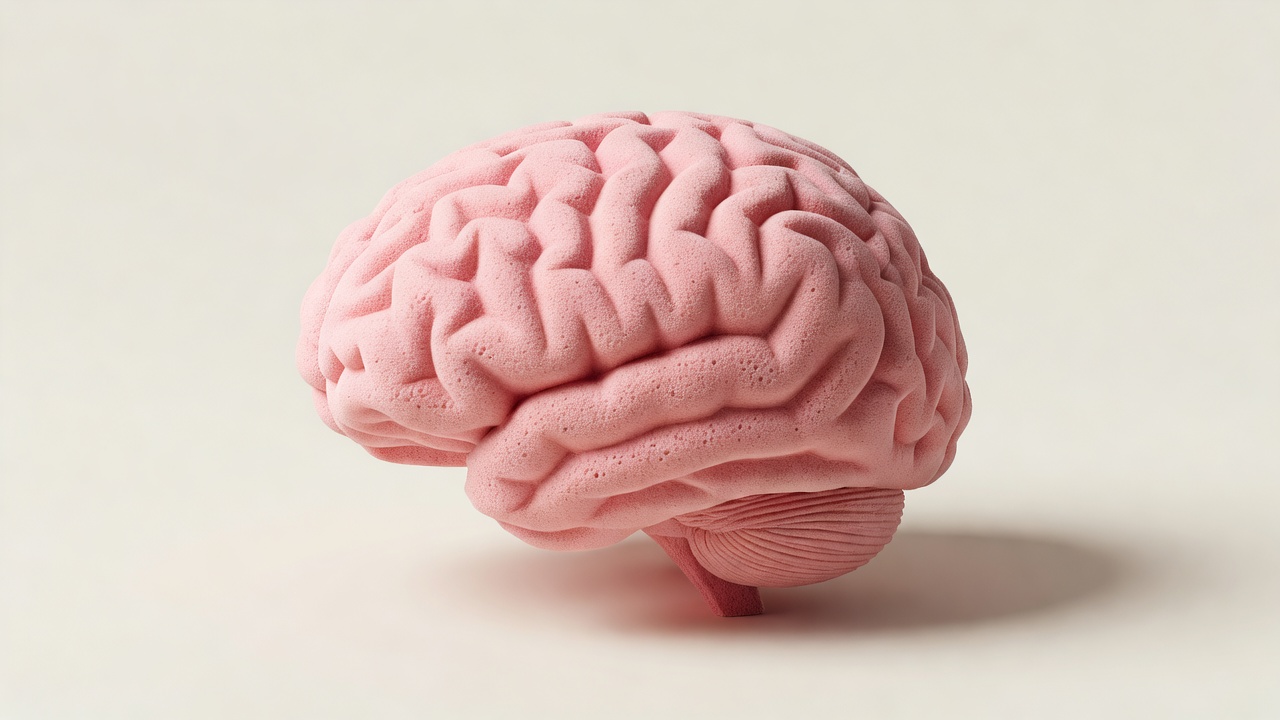
These are not two physical parts of the brain. They are a handy way of describing two styles of processing. The important point is that System 2 is lazy by design. Careful thinking costs effort, so most of the time we accept what System 1 offers. Usually that works. A cognitive bias is what we call the systematic, predictable ways it doesn't.
Anchoring: the first number wins
In their 1974 paper in Science, Amos Tversky and Daniel Kahneman spun a wheel of fortune rigged to land on either 10 or 65, then asked people what percentage of United Nations member countries were African. Those who saw 10 guessed a median of 25%. Those who saw 65 guessed 45%. A number everyone knew was random still dragged their estimates toward it.
Anchoring shows up in salary negotiations, "was £200, now £89" price tags and the first offer on a house. The opening figure becomes the reference point, and we adjust away from it, but not far enough.
Availability: what comes to mind feels common
We judge how likely something is by how easily examples spring to mind. Plane crashes are vivid and heavily reported, so many people fear flying more than driving, even though, mile for mile, cars are far more dangerous. Tversky and Kahneman described this availability heuristic in 1973. It explains why a news cycle about shark attacks makes beaches feel riskier, even when nothing about the ocean has changed.
Confirmation bias: looking for yes
In 1960 the British psychologist Peter Wason gave people the number sequence 2, 4, 6 and asked them to discover the rule behind it by proposing new triplets. Most guessed "even numbers going up by two" and tested 8, 10, 12, then 20, 22, 24, receiving a "yes" every time. Few tried a sequence that might break their theory, such as 1, 2, 3. The real rule was simply "any ascending numbers".
We tend to seek, notice and remember information that agrees with what we already believe. That makes confirmation bias one of the most stubborn shortcuts of all, from online arguments to medical diagnosis.
A pocket guide to named biases
| Bias | What it does | Key source | Everyday sighting |
|---|---|---|---|
| Anchoring | First number skews later estimates | Tversky & Kahneman, 1974 | Opening offers, sale tags |
| Availability heuristic | Vivid examples feel more frequent | Tversky & Kahneman, 1973 | Fear of flying after news coverage |
| Confirmation bias | Seeking evidence that agrees with us | Wason, 1960 | Curated news feeds |
| Framing effect | Same facts, different choice depending on wording | Tversky & Kahneman, 1981 | "90% survival" vs "10% mortality" |
| Sunk cost fallacy | Continuing because of what we already spent | Arkes & Blumer, 1985 | Finishing a bad film you paid for |
| Hindsight bias | "I knew it all along" after the outcome | Fischhoff, 1975 | Post-match punditry |
| Dunning–Kruger effect | Low skill paired with overconfidence | Kruger & Dunning, 1999 | Confident beginners in any hobby |
Research check: The Dunning–Kruger effect is real in the data, but some statisticians argue part of it is a measurement artefact called regression to the mean. Treat the popular "Mount Stupid" chart with a pinch of salt.
Can you de-bias yourself?
Knowing about biases does not make you immune. Studies show people readily spot biases in others while rating themselves as less affected, a pattern Emily Pronin called the bias blind spot. What helps is changing the situation rather than relying on willpower: write down your estimate before hearing anyone else's, ask "what would prove me wrong?", and use checklists for important decisions, the way pilots and surgeons do. Slow System 2 down on purpose when the stakes are high, and let System 1 handle the rest.
Next on the shelf: how other people bend our judgment. Explore social behaviour.